Rescuing Rare Plants in Anoka County

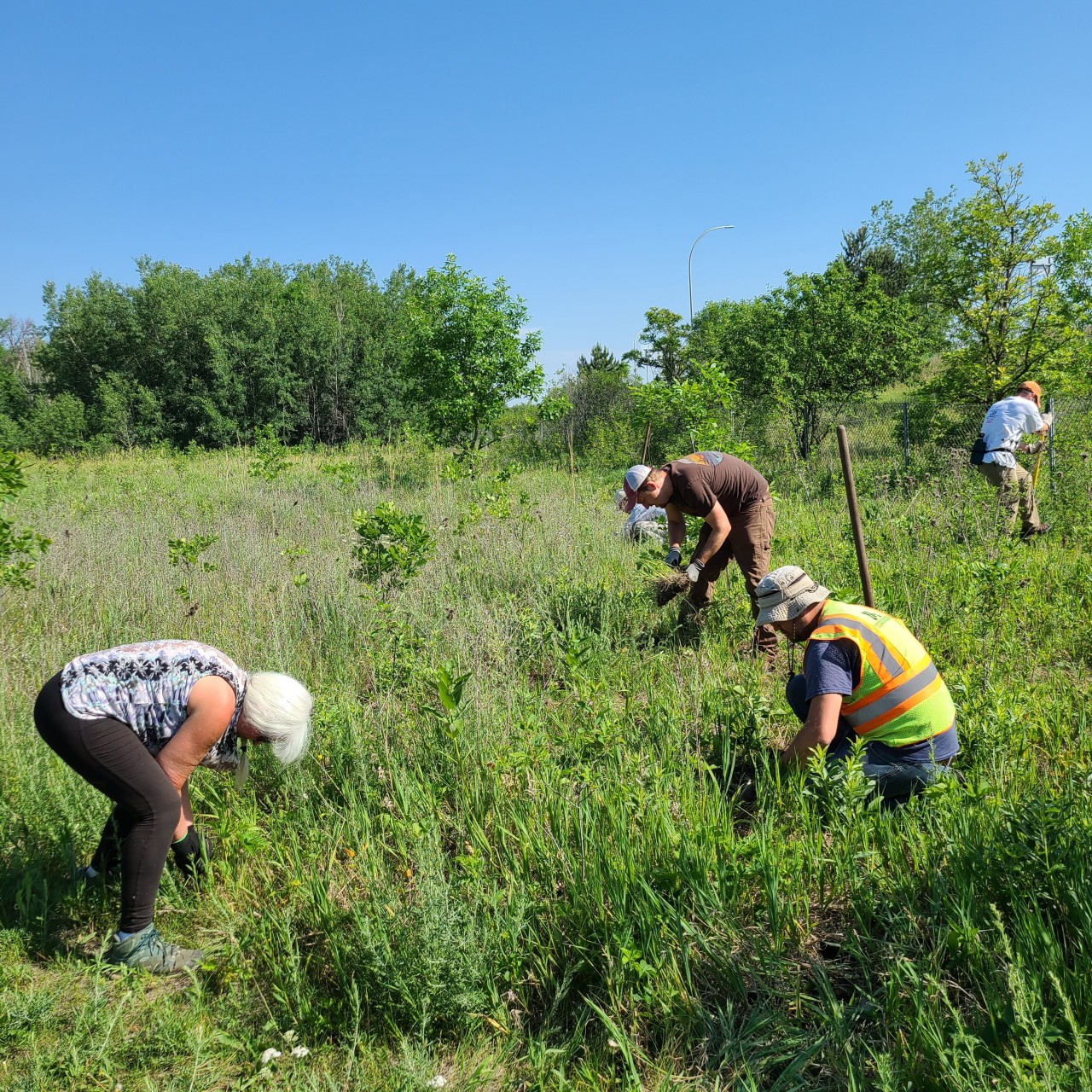
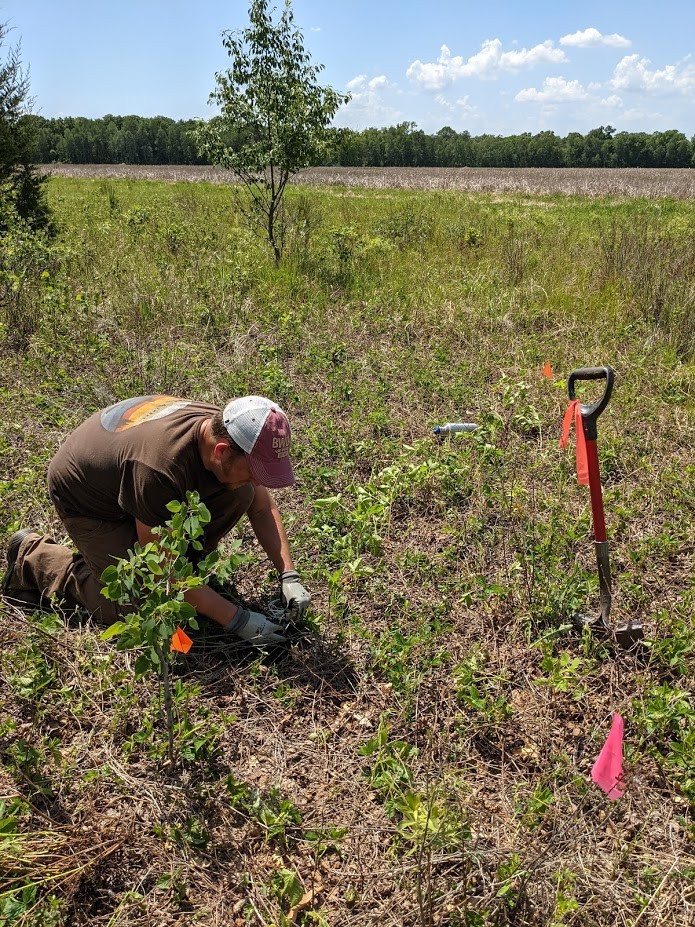
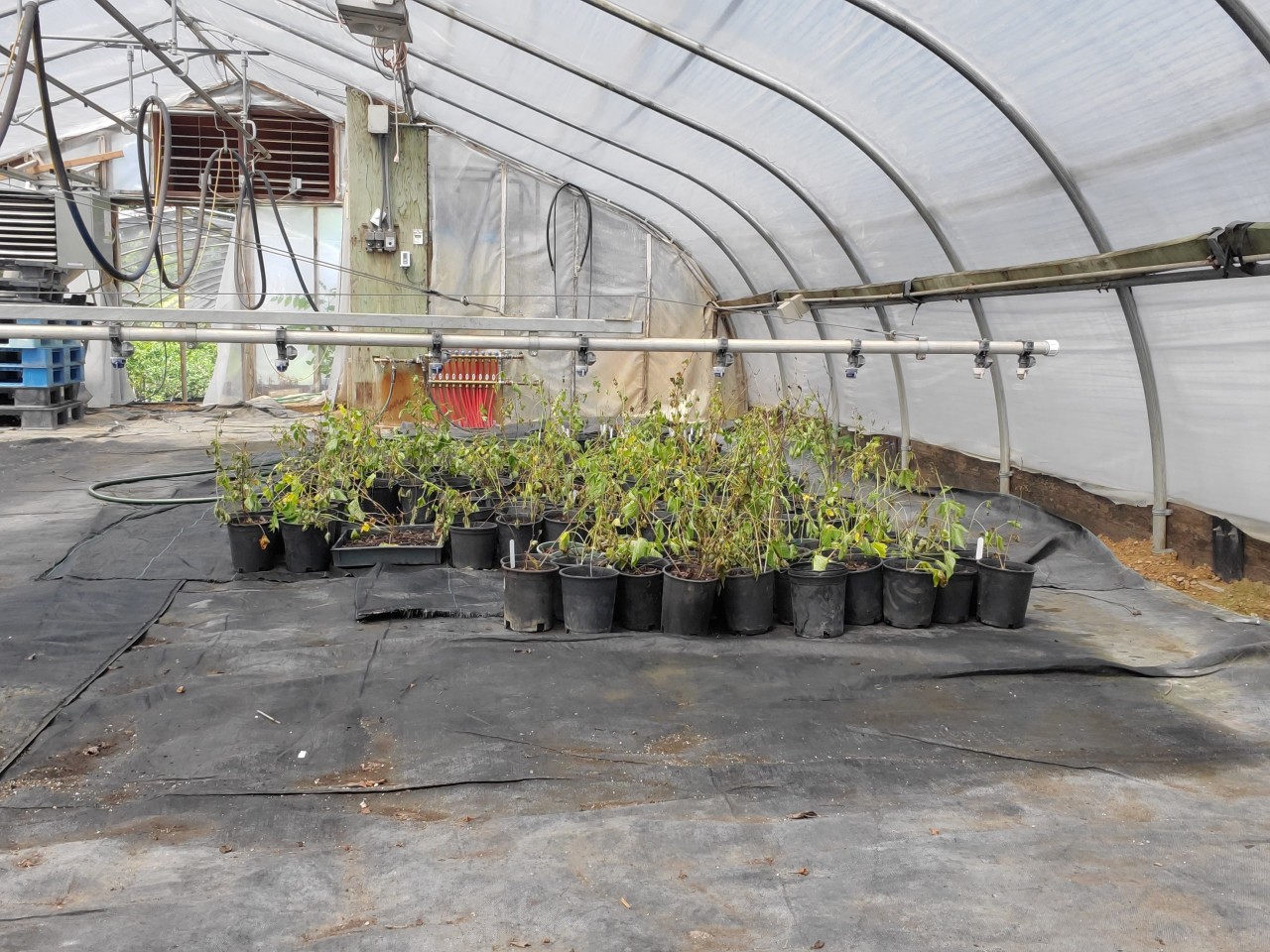
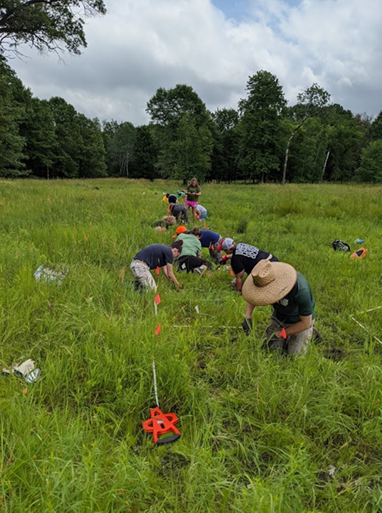
Staff from Anoka Conservation District, Critical Connections Ecological Services, and Minnesota Landscape Arboretum will work with volunteers the last week of April to salvage up to 1,000 State Endangered Rubus stipulatus from a development site and transplant them into protected sites.

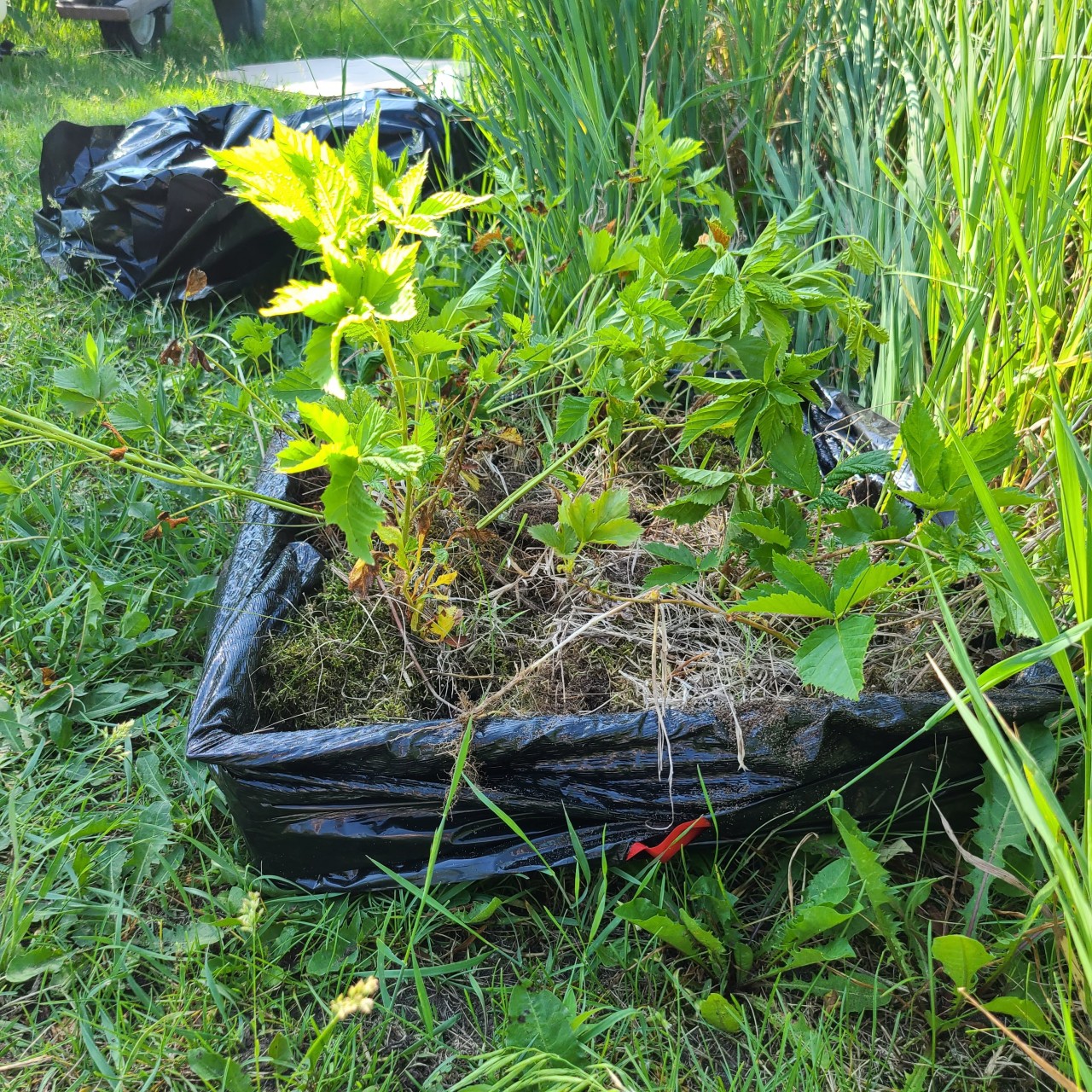
Rare plant rescue has been made possible with MN DNR's permit application for the Propagation of Endangered or Threatened Species, which was developed in 2019. Since the release of the permit application, approximately 7,500 State Threatened lance-leaved violets (viola lanceolata) and 150 State Threated swamp blackberry (rubus semisetosus) have been salvaged from three development sites and transplanted into protected sites where their populations are monitored.

To learn more about rare species in Minnesota, go the MN DNR's Rare Species Guide:https://www.dnr.state.mn.us/rsg/index.html

  4092 Hits

Plant Native Trees and Shrubs for Pollinators

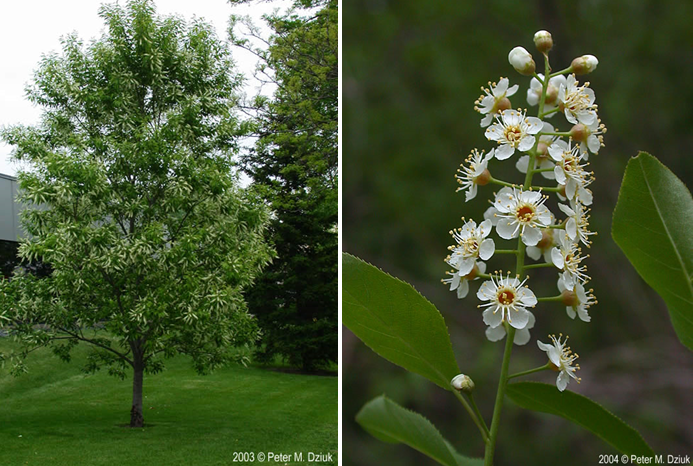
If you are looking for a low maintenance option to benefit native pollinators, consider planting native trees and shrubs. They provide overwintering habitat and food sources for our native bees, butterflies, moths, flies, wasps, and beetles. Many trees and shrubs bloom in the spring and provide an early nectar and pollen source. Fun fact from Heather Holm: One, 70 foot tall, mature black cherry tree (photos below) has the equivalent number of flowers as a 3,500 square foot perennial garden.

ACD's Annual Tree sale has a wide variety of trees and shrubs to choose from! See the full catalog here: https://www.anokaswcd.org/tree-sale-order-forms/2012-10-26-17-32-43.html

See Heather Holm's Native Tree and Shrubs for Pollinators guide for more information: https://www.pollinatorsnativeplants.com/uploads/1/3/9/1/13913231/treesshrubsposter.pdf

  3893 Hits

Best Native Trees for our Changing Climate

Climate change has many impacts on the natural environment and there are many ways we can help reduce climate change. There is yet another way to help with the impacts of climate change. Planting a diversity of trees that are predicted to thrive in a changing climate will help the landscape adapt and become more resilient.

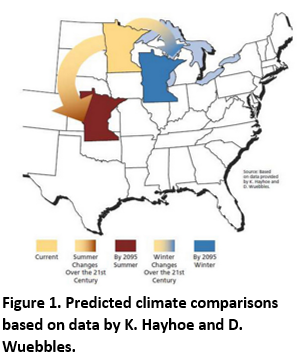
Minnesota's climate is changing. Average temperatures have increased 1 - 3 ◦F statewide with the greatest temperature increases in the winter. Total precipitation has increased with more intense rainfalls. Despite the increase in total precipitation, there have been more days between precipitation events, which increases the potential for drought. The US National Climate Assessment predicts that these trends will continue in Minnesota. By the end of the century, Minnesota will likely have the summer climate of Nebraska and Kansas (Figure 1). Plant communities and habitat types will change along with the changing climate. Most tree species northward range are predicted to shift about 300 miles by the end of the century (McKenney et al. 2007). The change in tree cover alters the understory and the habitat for wildlife. One way to help the landscape adapt and become more resilient is to plant a diversity of trees and include species from more southern areas.

US Forest Service climate change models predict these trees are likely to thrive in a changing climate in the Metro region:

Tree Species

Habitat

American elm *

Average – Moist soil, floodplains, deciduous forest, swamps

Basswood

Deciduous forests, woodland edges

Black Oak

Savanna

Black Walnut

Mixed forest, Savannas, banks

Bur Oak

Forest to open prairie

Cottonwood

Lowland forests along along lakes and streams, floodplains

Hackberry

Average – Moist soil, Hardwood forest, floodplains, river bank

Shagbark hickory

Upland dry forest

Silver maple

Floodplain forest, riverbanks

White Oak

Upland dry forest

* disease resistant needed


Consider the habitat, moisture, soil, and sun conditions when selecting trees for your property.

https://www.dnr.state.mn.us/treecare/best-native-yard-trees.html


McKenney DW Pedlar JH Lawrence K Campbell K Hutchinson MF. 2007. Potential impacts of climate change on the distribution of North American trees. BioScience 57:939-948.

  4005 Hits

Winter Buckthorn Treatment is Underway

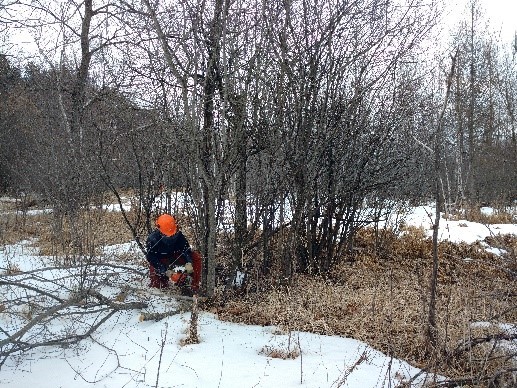
Common and glossy buckthorn are common invaders in native landscapes; common buckthorn grows mostly in upland environments while glossy buckthorn grows in wetland environments. ACD is working to control buckthorn at sites that still have intact native plant communities and rare plants to ensure those quality sites do not become further degraded. Work this winter is taking place at Robert and Marilyn Burman WMA, Cedar Creek Ecosystem Science Reserve, and Blaine Preserve SNA with funds from the Clean Water, Land and Legacy Amendment.

  3493 Hits

Look Out for Oriental Bittersweet

Now that there are no leaves on the trees, it is a good time to look for Oriental Bittersweet (Celastrus orbiculatus). This invasive species is on the ERADICATE list. It is a vine that girdles and smothers trees and shrubs. Look for the bright red fruit with yellow capsules.

Be sure to check your ID with the native American bittersweet, which has orange fruit capsules instead of yellow. American bittersweet fruits are found only at the end of the vine while Oriental bittersweet has fruit at the leaf axils.

  3599 Hits