Natural Resources Management Often Starts With a Party

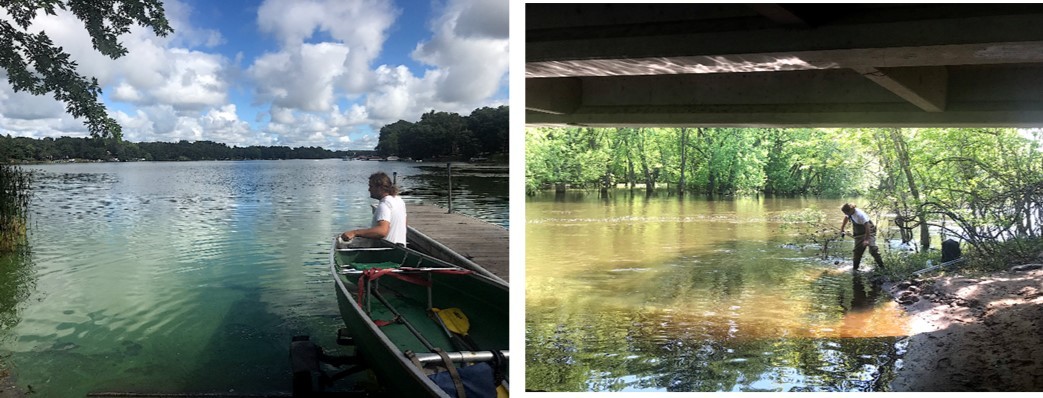
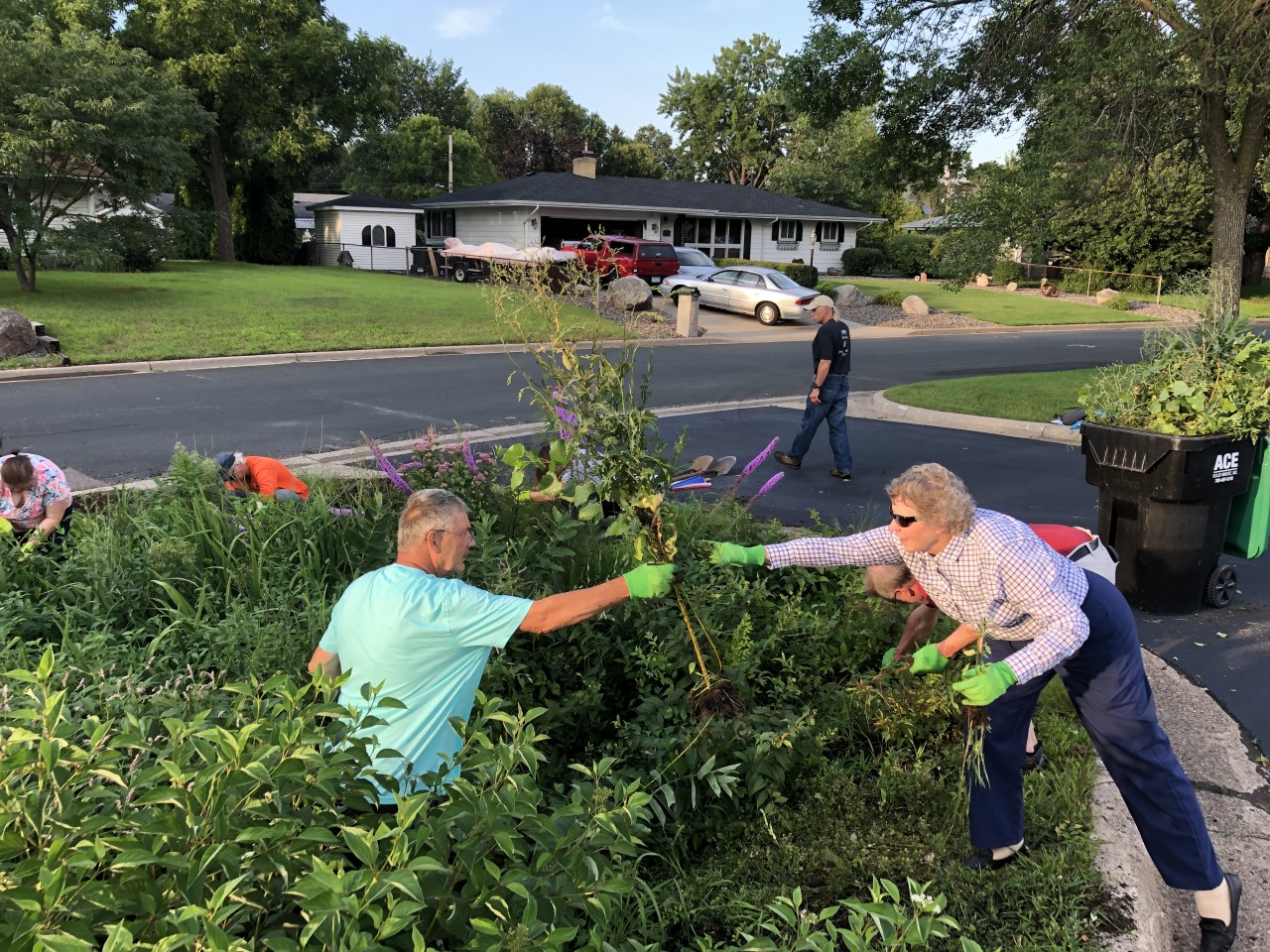
Managing natural resources is mostly about engaging people.While one landowner can make a change, groups of people can make big change.If you want to gather people to a cause, you'll need a party.

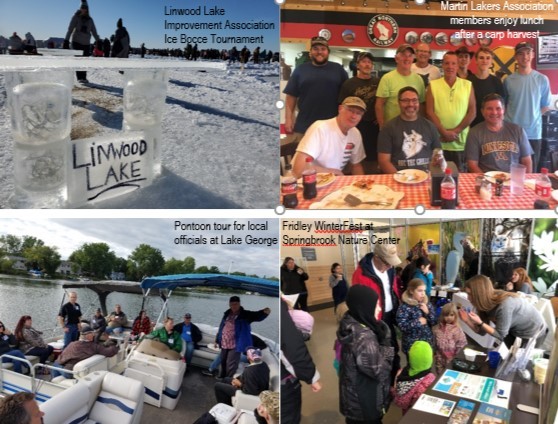
At the Anoka Conservation District we have the pleasure of being invited to many such parties.Lake associations, sporting groups, and civic groups gather people to summer barbeques, fall bonfires and winter fundraisers.Ideas for natural resources management are developed.Enthusiasm spreads.Funds are raised.Trusting relationships grow.It's arguably the foundation of natural resources management.

While we at the Anoka Conservation District are wonderfully proud of our part in natural resources management, we recognize that we are just a part.Here's a big word of THANKS to all those volunteers and groups that have parties that lead to cleaner lakes, healthy forests, and abundant wildlife!

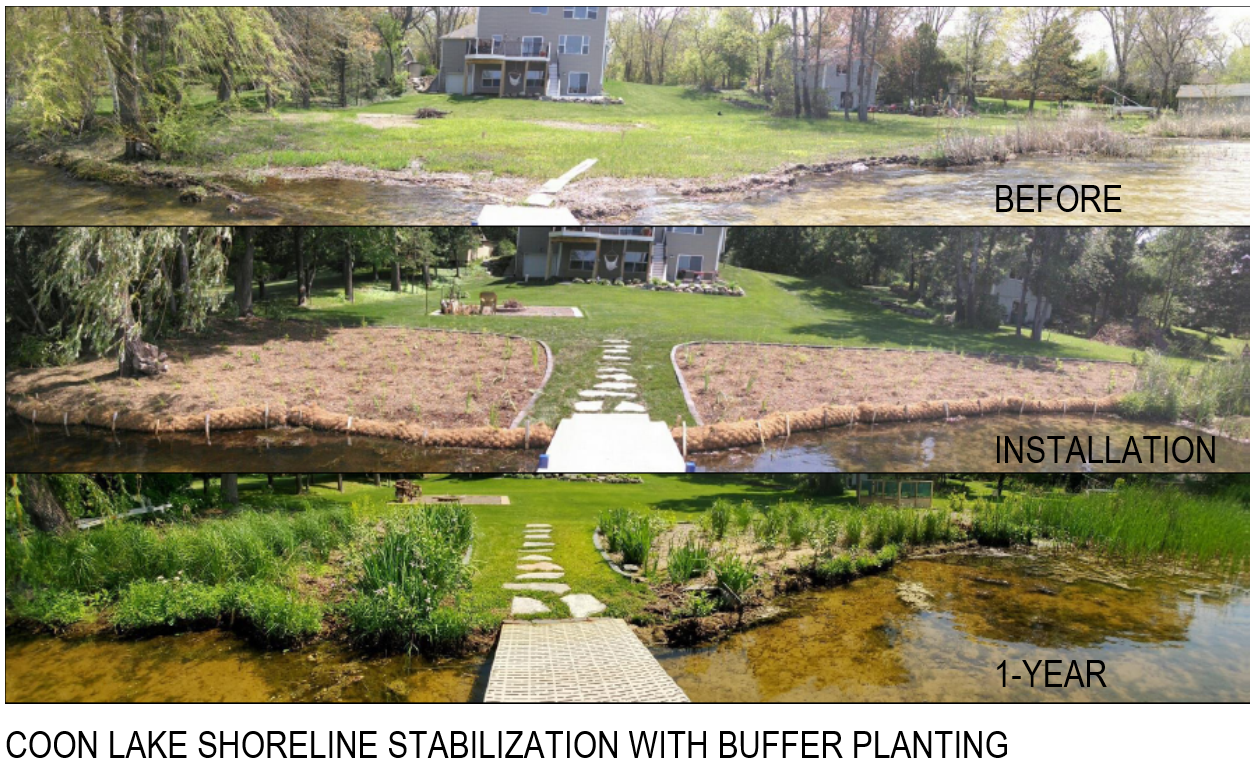
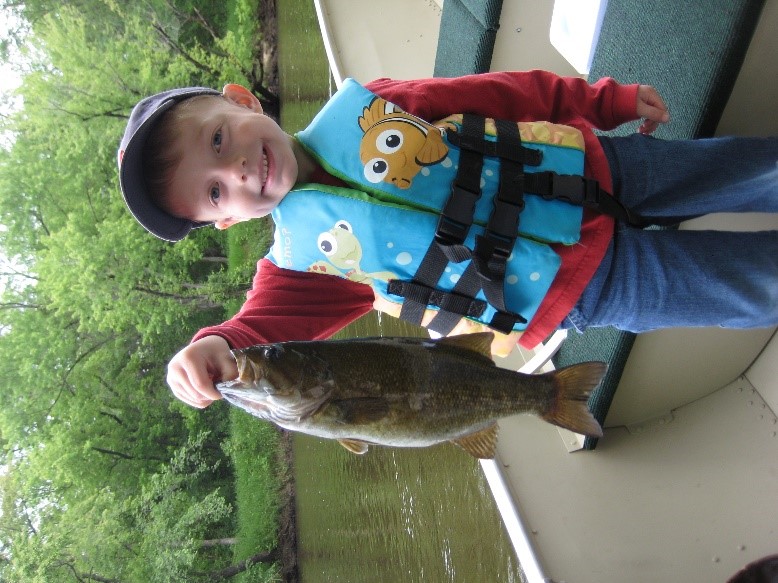
Below are photos of a few great parties in 2019.

  3089 Hits

2019 ACD Monitoring Season

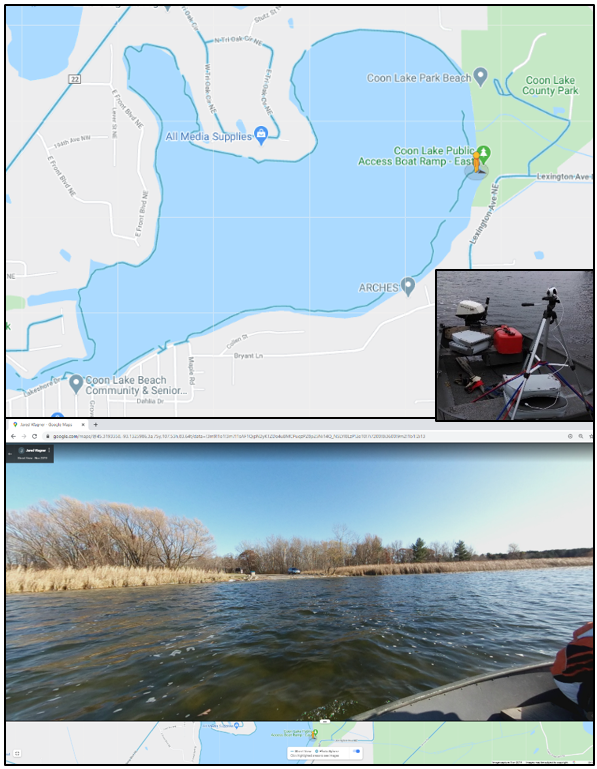
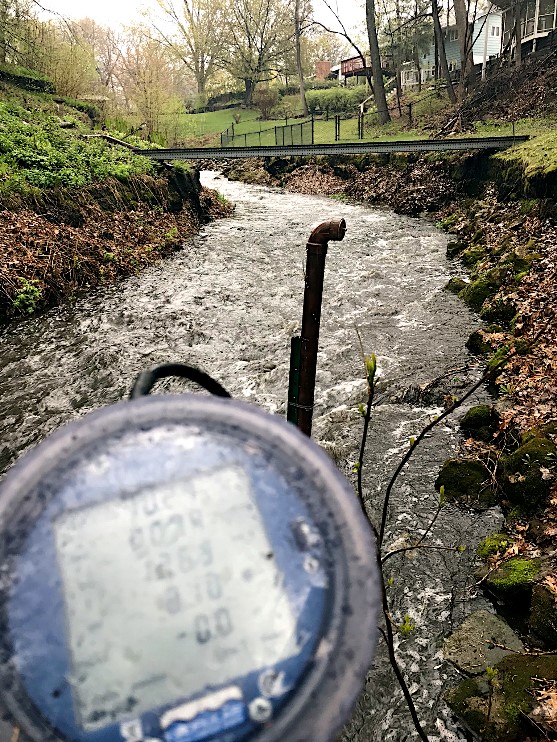
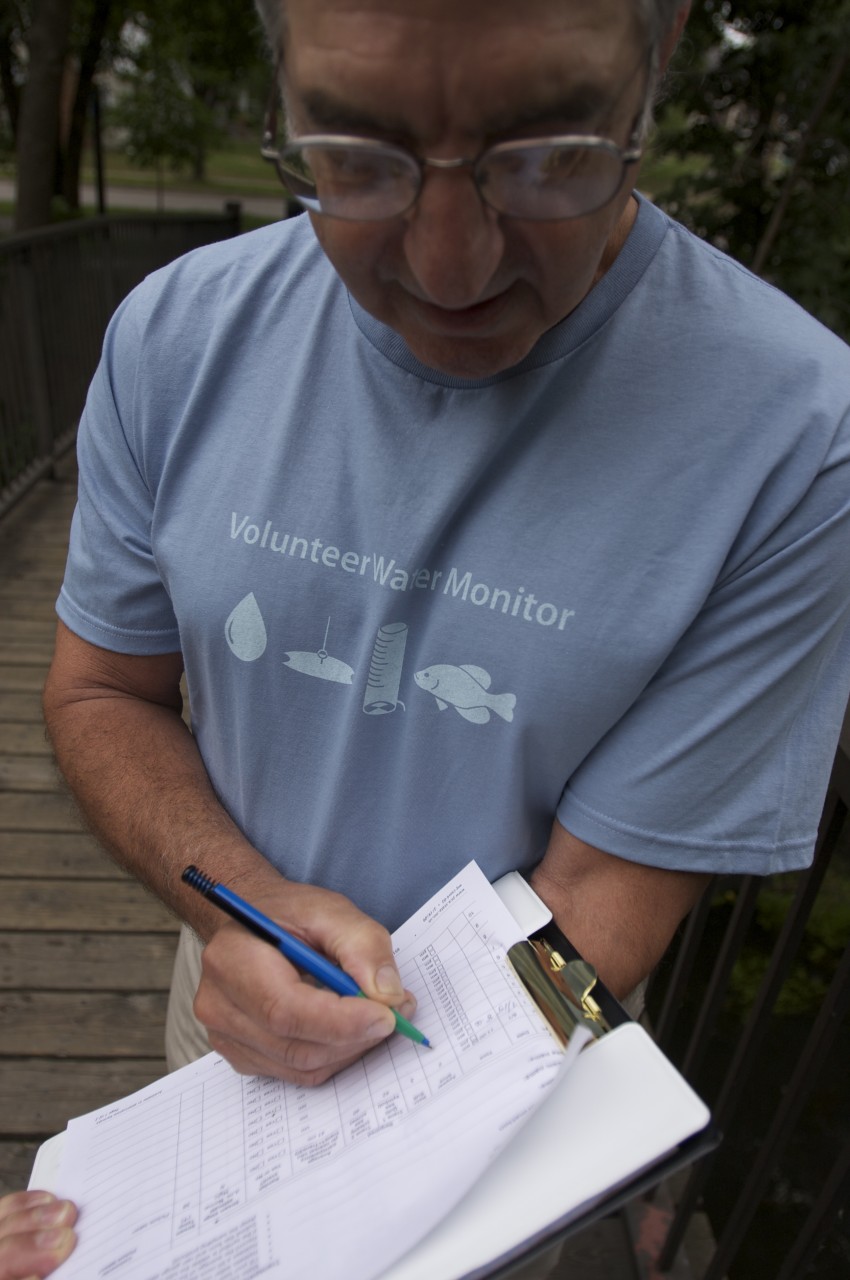
2019 was another successful monitoring season for The Anoka Conservation District (ACD). Strong partnerships with watershed districts, watershed management organizations, and local lake associations, allowed ACD to implement a variety of monitoring programs including; daily precipitation totals (12 volunteers), lake levels (25 lakes), lake water quality (11 lakes), stream hydrology (12 sites), stream water quality (18 sites), stream benthic macroinvertebrates (3 Anoka County schools), shallow groundwater levels in wetlands (19 sites) and deep groundwater levels in observation wells (24 sites).

2019 ended up being the wettest year on record for the state of Minnesota with a state-wide average of 35.51 inches, breaking the previous record of 33.93 inches set in 1977. Due to the banner year Minnesota had with rainfall, we saw historically high water levels in lakes and streams and higher than average groundwater levels in many wetlands and groundwater wells. 2019 was a great year for overall water quality, with many of the lakes and streams showing improvements compared to the historical average.

With a growing population and ever-increasing development, it is more important than ever to have the ability to make informed decisions when it comes to land use management and for local leaders to have an understanding of how those decisions may affect natural resources. Water resources are rapidly declining in quality and quantity throughout the metro. Anoka County is fortunate enough to still have many pristine natural areas but it will take a team effort to keep them that way.

  3804 Hits

Lessard-Sams Outdoor Heritage Council Recommends Funds for Rum River Stabilization Projects

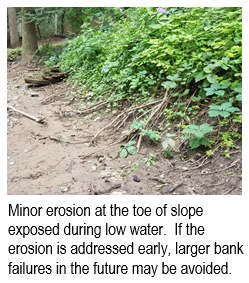
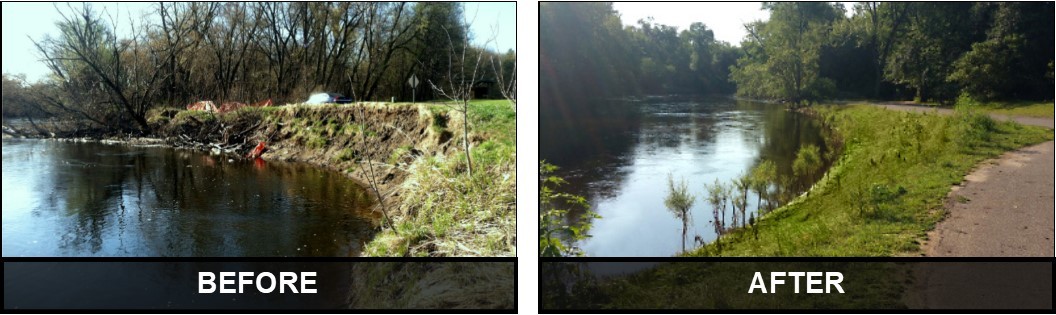
The Lessard-Sams Outdoor Heritage Council is recommending $952,000 from the Outdoor Heritage Fund for ACD to stabilize eroding Rum Riverbanks utilizing habitat-building, bioengineering approaches over the next three years. Bioengineering techniques stabilize and armor eroding riverbanks in a way that both protects the bank from further erosion and provides traversable habitat for wildlife. These techniques rely on using natural materials such as tree trunks and root wads, in-stream rock weirs, native plantings and tree staking, gradual slope grading, and minimal hard armoring where necessary. Current erosion along streambanks, as well as traditional armoring techniques like riprap, result in a wall or barrier to wildlife. The bioengineering techniques that will be employed by ACD in the Rum River will eliminate those barriers and provide additional habitat for all kinds of wildlife.

ACD has identified over twenty eroding banks along the Rum River in Anoka County that it will be seeking to address with these funds. It is anticipated that four to eight sites will be stabilized with the $952,000 from the LSOHC and an additional $236,000 in local funds from Anoka County and the Upper and Lower Rum River Watershed Management Organizations. Anoka County has pledged $442,000 in Rum River stabilization matching funds over the next five years. The remaining funds will be used as match for future grant applications.

The Lessard-Sams Outdoor Heritage Council has made the funding recommendation to the Minnesota Legislature, who will draft final bill language during the 2020 legislative session. ACD will begin reaching out to landowners with identified eroding banks suitable for these stabilization techniques after the funding is finalized.

  Example photo of an eroding Rum Riverbank stabilized with bioengineering techniques. This project was the result of the continuing partnership between ACD and Anoka County Parks.

  4335 Hits

New Outreach Collaborative Builds Lasting Partnerships in Anoka County

Investment in water education is vital for the continued health of the environment and people. By building strong new partnerships, the Water Resource Outreach Collaborative (WROC) in Anoka County is doing just that.

The purpose of this shared outreach and engagement partnership is to inform community residents, businesses, staff, and decision-makers about issues affecting local waterbodies and groundwater resources. Through enhancement of existing outreach programming and collaborative development of new programming, WROC engages people in activities and individual behavior changes that will positively impact the health of our surface and groundwater.

Through collaboration, WROC partners are able to maximize the effectiveness of their water outreach. Partners benefit from regular resource sharing, consistent messaging, and reduced duplication of effort. Outreach efficiency is maximized because partners are able to pool their resources to develop professional materials with minimal financial stress on any one organization. Many water health outreach topics are common between partners, so having a centralized group to facilitate delivery of those topics has proven vital. Finally, through increased communication between partners, there is greater cross-coordination and promotion of events, thus extending the reach of individual partner programs.

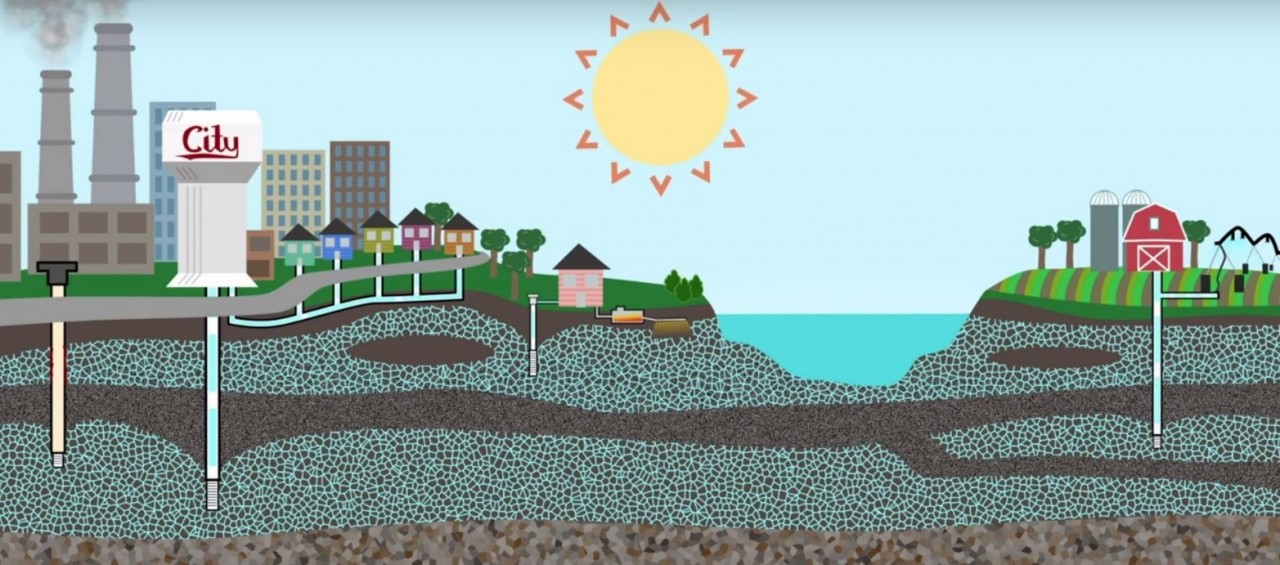
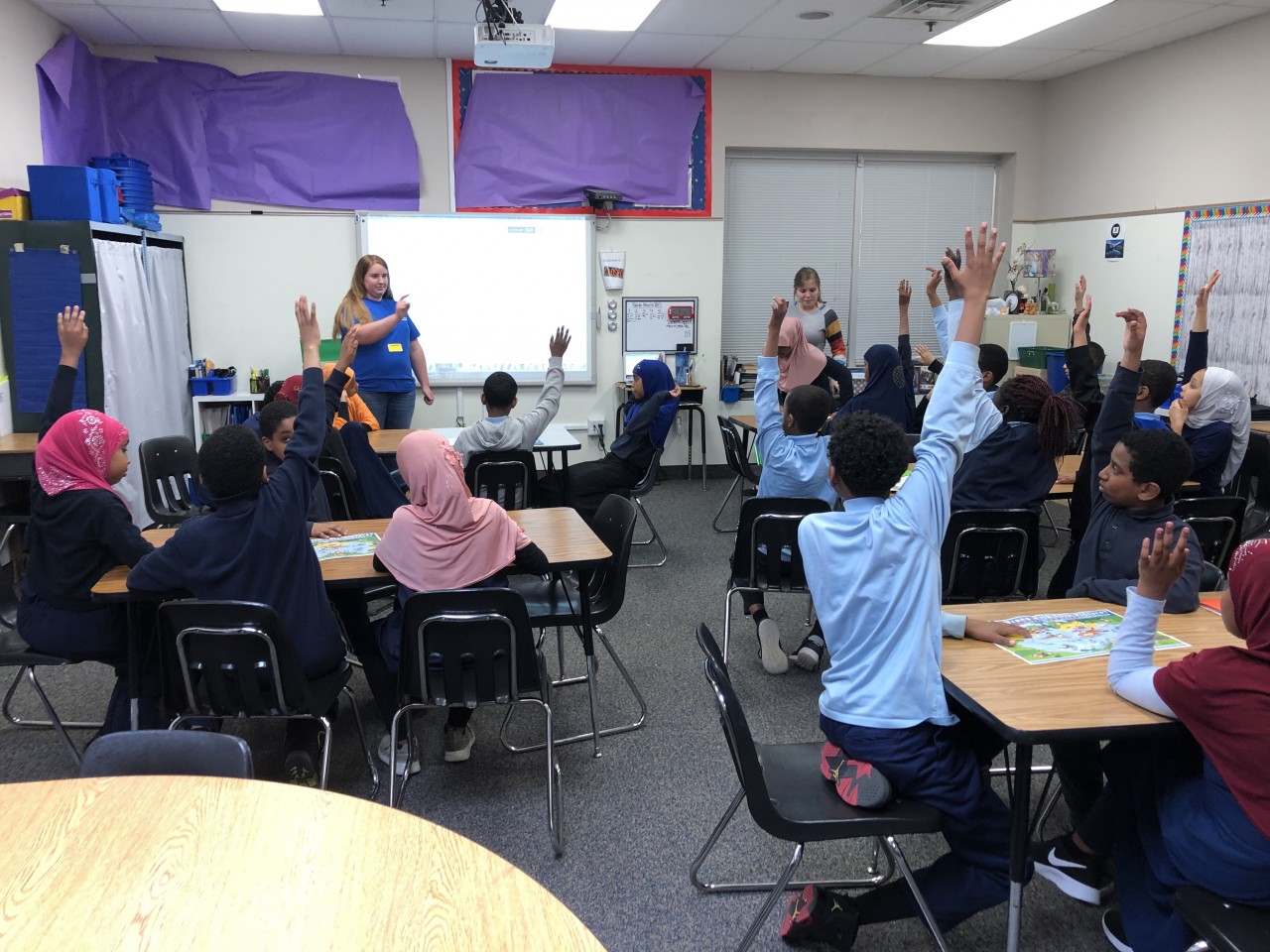
Since January 2019, Anoka County's Water Resource Outreach Collaborative has created new resources including a Conservation Resource Library and a brochure, display, and animated video on groundwater. In addition, the Collaborative has had a presence at 40 community outreach events throughout the county and facilitated or collaborated with partners to host 22 workshops, presentations, and trainings. Notable activities from the past year include presenting to over 630 5th graders in 7 schools in the county, hosting the best-attended private well and septic system training in with 58 attendees compared to 8-12 attendees in previous years, and hosting two smart salting trainings for 85 road maintenance staff from several previously untrained municipalities including Oak Grove, Columbus, Nowthen, Linwood Township, St. Francis, and Ramsey.

In the future, the Anoka County Water Resource Outreach Collaborative will continue partnering to reach new and diverse audiences with messages of water health and conservation. The WROC partnership is an investment in the future of water education in our area. Prioritizing public education is critical to empowering everyone to act as water stewards and create a healthier world for future generations.

The Water Resource Outreach Collaborative (WROC) is a fledgling partnership of cities and watershed management organizations in Anoka County dedicated to working together for efficient and effective public education about water health in our area. It is currently funded with a Watershed Based Funding grant through the Minnesota Board of Water and Soil Resources and is facilitated by the Outreach and Engagement Coordinator, Emily Johnson, who works out of the Anoka Conservation District office. Contact Emily at This email address is being protected from spambots. You need JavaScript enabled to view it.

Learn more here: Water Resource Outreach Collaborative

  4570 Hits